
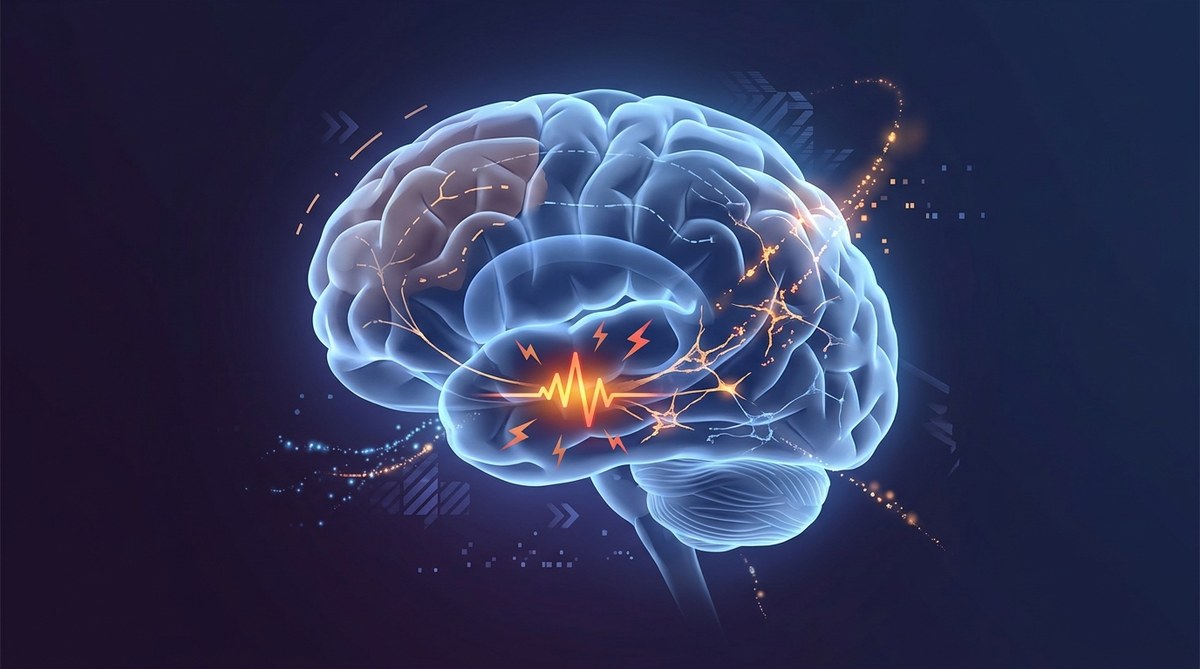
When a person experiences a traumatic event, the brain does not process information the way it does during an ordinary day. Your vision narrows, your heart pounds, and sounds may seem muffled or too loud. These are not signs of weakness. They are signs that your brain has activated a deeply wired survival system. Understanding what happens inside your skull during trauma can change how you view your own reactions or those of someone you care about. It can also open the door to real, lasting recovery.
Trauma reshapes the brain’s threat detection network. The amygdala becomes overactive while the prefrontal cortex goes offline, making it hard to think clearly or feel safe. Memory systems like the hippocampus struggle to place the event in time, so the body stays on alert. This is not permanent. Neuroplasticity allows the brain to heal with the right support, therapy, and self care.
The Brain’s Alarm System: The Amygdala
The amygdala is a small, almond-shaped cluster of neurons buried deep in the temporal lobe. Its job is to scan every incoming signal for danger. During a traumatic event, the amygdala acts like a smoke detector that mistakes steam for a five alarm fire. It sends out an urgent signal to the hypothalamus and the pituitary gland, which triggers the release of stress hormones like cortisol and adrenaline.
This response happens in milliseconds. You do not decide to be scared. Your brain decides for you. After trauma, the amygdala can become hypersensitive. It starts sounding alarms for things that are not actually threatening, like a loud car backfire or a raised voice. This is why someone with post traumatic stress disorder (PTSD) may feel constantly on edge.
When the Thinking Brain Goes Offline: The Prefrontal Cortex
The prefrontal cortex (PFC) sits right behind your forehead. It is the part of the brain that thinks, plans, and makes rational decisions. In a safe environment, the PFC can calm the amygdala. But during trauma, the connection between these two regions weakens dramatically.
High levels of norepinephrine, a stress chemical, essentially shut down the PFC. You lose the ability to reason, to question whether the danger is real, or to remember that you once survived something similar. This is why people often report that they “froze” or could not think. It is not a conscious choice. The brain has temporarily taken the rational driver out of the cockpit.
After a traumatic event, some people have trouble rebuilding that connection. The PFC may remain underactive, making it hard to regulate emotions or feel a sense of control.
The Memory Disruption: The Hippocampus
The hippocampus acts like a librarian. It tags memories with a time and place so you can recall them as past events. But trauma floods the hippocampus with cortisol, which interferes with its ability to do that job.
As a result, the memory of the trauma does not get filed into the past. It stays present, vivid, and unprocessed. Smells, sounds, or physical sensations can trigger a flashback that feels as real as the original moment. The brain lumps the memory together with the threat response, so even a neutral cue can set off a full alarm.
This is why therapy for trauma often focuses on helping the hippocampus reclassify the memory. Techniques like EMDR and cognitive processing therapy work, in part, by restoring this hippocampal function.
The Body Keeps the Score: A Survival Loop
Trauma does not only live in the brain. It lives in the body. The autonomic nervous system, which controls breathing, heart rate, and digestion, gets locked into a survival mode. There are three main states this system can shift into:
- Hyperarousal (fight or flight). The body stays revved up. Heart rate is high, muscles are tense, and you may feel angry or panicked.
- Hypoarousal (freeze). The body collapses. You feel numb, disconnected, or exhausted. This is the shutdown response.
- Mixed state. Many people swing between hyperarousal and hypoarousal, never landing in a calm, centered zone.
The goal of trauma recovery is to help the nervous system find its way back to a state of safety. This is often called returning to the “window of tolerance,” a term coined by psychiatrist Dan Siegel.
Practical Steps Your Brain Takes During a Traumatic Incident
If you were to slow down the brain’s response to trauma, you might observe a sequence like this:
- Detection. Sensory information enters through the thalamus and is sent to the amygdala for threat assessment.
- Alarm. The amygdala flags the input as dangerous and activates the hypothalamic pituitary adrenal (HPA) axis.
- Cortisol release. The adrenal glands pump cortisol into the bloodstream. This suppresses nonessential functions like digestion and immune response.
- Prefrontal shutdown. High norepinephrine reduces PFC activity. Rational thought decreases.
- Memory fragmentation. The hippocampus fails to encode the event as a clear, time stamped memory. Instead, fragments of sensation and emotion are stored without context.
This sequence is protective in the moment. But when it becomes chronic, it leads to the symptoms of PTSD.
How the Brain Changes After Repeated Trauma
Not everyone who goes through a traumatic event develops PTSD. But repeated exposure to trauma, especially in childhood, can physically change brain structures.
- The amygdala may grow larger in volume, making it more reactive.
- The hippocampus may shrink, reducing its ability to form new memories and regulate stress.
- The prefrontal cortex may lose gray matter, weakening impulse control and emotional regulation.
These changes are not permanent. The brain has a remarkable ability to rewire itself, known as neuroplasticity.
An Expert Perspective on Healing
“When we understand that the brain’s response to trauma is not a character flaw but a survival adaptation, we can approach healing with compassion instead of shame. The brain wants to heal. It just needs the right conditions.”
Dr. Rebecca Johnson, trauma neuropsychologist
This insight is crucial. Your brain is not broken. It is doing exactly what it evolved to do. The problem is that the survival programming is stuck in the “on” position. With the right interventions, you can help it learn that the danger has passed.
A Comparison of Common Mistakes and Effective Approaches
| Common Mistake | What Actually Happens | Effective Approach |
|---|---|---|
| Telling someone to “just get over it” | Invalidates their experience and shames them for having a natural brain response | Offer validation and encourage professional support |
| Avoiding all reminders of the trauma | Strengthens the brain’s fear circuit; avoidance reinforces danger associations | Gradual, guided exposure therapy under a trained clinician |
| Using alcohol or drugs to numb feelings | Interferes with sleep and neuroplasticity, making it harder for the brain to heal | Seek healthy coping strategies and consider medication if prescribed by a doctor |
| Assuming flashbacks are memories | Flashbacks are re experiences of the threat response, not just memories | Grounding techniques (e.g., 5 4 3 2 1 senses) can help bring the brain back to the present |
Signs That Your Brain Is Heeding the Call to Heal
Recovery does not happen overnight, but you can notice small signs that your brain is starting to change:
- You catch yourself taking a full breath without thinking about it.
- You feel anger or sadness without being overwhelmed by it.
- You remember a detail from the trauma without feeling like you are reliving it.
- You sleep through the night more often than not.
- You have a moment of feeling safe in a situation that used to trigger you.
These are indicators that the prefrontal cortex is regaining its authority over the amygdala. The brain is learning to discriminate between a true threat and a false alarm.
What You Can Do to Support Your Brain’s Recovery
Whether you are healing yourself or helping a loved one, there are concrete steps you can take to encourage neuroplasticity and calm the nervous system.
- Practice grounding daily. Name five things you can see, four you can touch, three you can hear, two you can smell, and one you can taste. This forces the prefrontal cortex back online.
- Build a regular sleep routine. Sleep is when the brain consolidates emotional memories. Aim for seven to nine hours. Avoid screens an hour before bed.
- Move your body in safe ways. Walking, yoga, or swimming help release stored tension from the nervous system.
- Connect with a therapist trained in trauma. Approaches like EMDR, Somatic Experiencing, and Cognitive Processing Therapy directly target the brain circuits affected by trauma.
- Limit caffeine and alcohol. Both can keep the nervous system in a state of high arousal.
For more on managing daily symptoms, check out our guide on effective strategies for managing trauma symptoms in daily life. If you are wondering about therapy options, read about understanding the role of therapy in healing from PTSD. Those looking to rebuild after loss may find how to build resilience after trauma and find hope in recovery helpful.
The Brain Is Not Your Enemy
When you understand what happens in the brain during trauma, you stop seeing your symptoms as betrayals. The hypervigilance, the numbness, the trouble concentrating, these are not signs that you are broken. They are signs that your brain tried to protect you and got stuck. That is a very different story, and a much more hopeful one.
Healing begins when you treat your brain like a partner instead of an adversary. Every small step you take, every moment of safety you offer yourself, sends a signal to the amygdala that the danger is over. The net can be recast. The alarm can be tuned. Your brain can learn to rest again.