
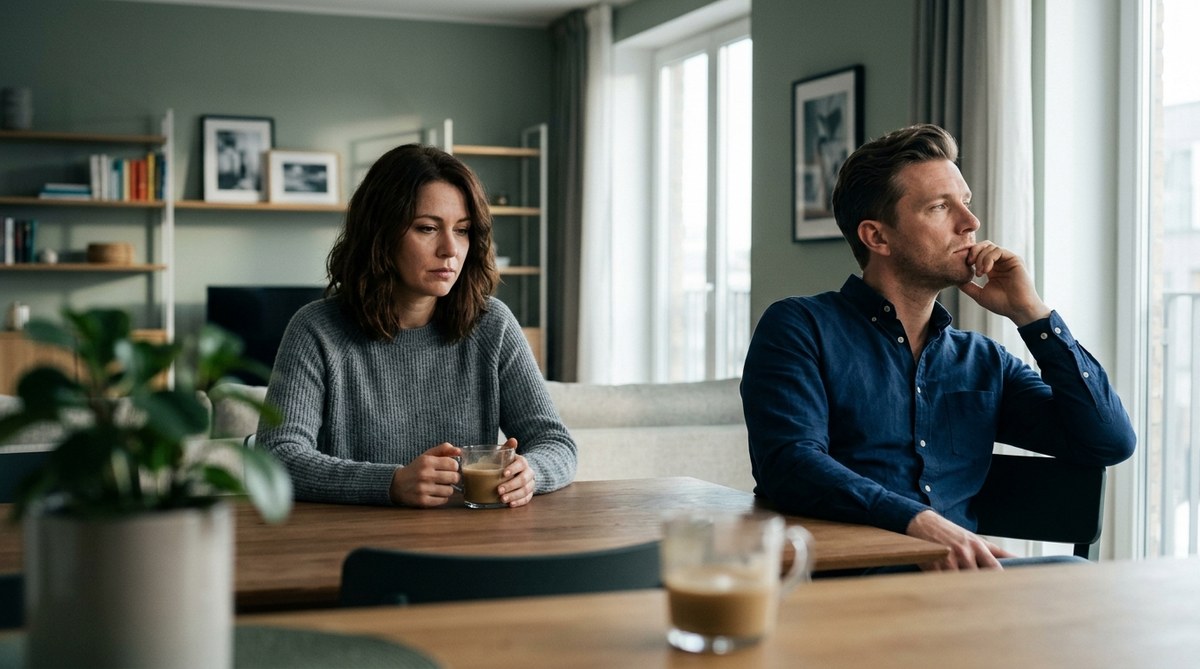
You feel like you are always walking on eggshells. Or maybe you are the one who feels distant, irritable, or numb for no clear reason. The arguments feel bigger than the moment. The silence feels heavier than words. If this sounds familiar, you are not alone. Unresolved PTSD and relationships often create a painful loop that neither person fully understands. The good news is that understanding this loop is the first step toward breaking it.
Unresolved PTSD affects relationships by triggering survival responses like hypervigilance, emotional numbness, or avoidance. These patterns create distance, conflict, and miscommunication. Healing is possible through trauma-informed therapy, open communication, and practical strategies that rebuild trust and connection. You do not have to navigate this alone.
How Unresolved PTSD Shows Up in Your Closest Bonds
Trauma changes how your brain and body respond to the world. When PTSD remains unresolved, your nervous system stays on high alert. It treats your partner or family member like a potential threat, even when your rational mind knows they are safe.
Here are the most common ways unresolved PTSD and relationships collide:
- Hypervigilance: You constantly scan for danger. Your partner’s neutral facial expression feels like anger. A raised voice triggers a full panic attack.
- Emotional numbing: You disconnect from your feelings. Your loved one complains that you seem cold or unreachable.
- Avoidance: You steer clear of anything that reminds you of the trauma. This might mean skipping family gatherings, avoiding intimacy, or refusing to talk about the past.
- Irritability and anger: Small frustrations spark huge reactions. You snap at your partner and later feel ashamed.
- Intrusive thoughts: Memories of the trauma interrupt everyday moments. You are at dinner, but your mind is somewhere else entirely.
These patterns are not character flaws. They are survival strategies that have outlived their purpose.
The Hidden Communication Breakdown
When you live with unresolved PTSD, your communication style shifts. You might speak in short sentences or go silent entirely. Your partner might interpret this as rejection or disinterest.
Consider this common scenario: You come home from work exhausted. Your partner asks how your day was. Your body tenses. You feel an urge to retreat to the bedroom. You mumble “fine” and walk away. Your partner feels hurt and confused. They think you are pulling away. You think you are protecting yourself.
This is where unresolved PTSD and relationships become a repeating cycle. Each partner feels misunderstood. Each partner reacts from a place of pain.
Why Normal Conflict Feels Dangerous
For someone with unresolved PTSD, everyday disagreements can feel life-threatening. Your nervous system cannot tell the difference between a minor argument and the original trauma. Your heart races. Your breathing gets shallow. You either fight back hard or shut down completely.
Your partner may not understand why a simple discussion about chores turns into a crisis. They might feel like they are walking through a minefield. Over time, they may start avoiding difficult topics too. The emotional distance grows.
What Makes Healing Possible: A Practical Roadmap
Healing unresolved PTSD and relationships requires work from both sides. But the person with PTSD needs to take the lead on their own recovery. Here is a numbered list of steps that can help:
- Acknowledge the connection. Recognize that your relationship struggles are linked to your trauma history. This is not about blame. It is about understanding.
- Seek professional support. Trauma-informed therapy is essential. Look for therapists trained in EMDR, CPT, or Somatic Experiencing. If you are unsure where to start, read more about understanding the role of therapy in healing from PTSD.
- Learn your triggers. Keep a simple journal. Note when you feel a strong reaction. What happened right before? What did your body feel? This helps you spot patterns.
- Practice grounding techniques. When you feel flooded, use your senses. Name five things you can see. Touch something textured. Breathe slowly. This brings you back to the present.
- Communicate your needs clearly. Instead of shutting down, say something like “I am feeling overwhelmed right now. I need ten minutes to calm down, and then I can talk.”
- Involve your partner in your recovery. Let them learn about PTSD too. Share resources. Invite them to a therapy session if you feel ready.
- Celebrate small wins. You had a hard conversation without shutting down. That is a victory. Acknowledge it.
Common Mistakes and Better Approaches
Many couples try to fix things on their own and end up stuck. The table below outlines common mistakes and what works better.
| Mistake | Why It Backfires | A Better Approach |
|---|---|---|
| Avoiding all conflict | Tension builds until someone explodes | Use scheduled check-ins to discuss concerns calmly |
| Blaming yourself or your partner | Creates shame and defensiveness | Focus on the pattern, not the person |
| Expecting your partner to “fix” you | Puts unfair pressure on the relationship | Take ownership of your healing journey |
| Pushing through triggers without rest | Leads to burnout and more reactivity | Honor your limits and take breaks |
| Keeping trauma a secret | Partners cannot understand what they do not know | Share what feels safe, at your own pace |
“The goal is not to erase the trauma. The goal is to change your relationship to it. When you stop fighting the past, you free up energy for the present.” — Dr. Rachel Yehuda, trauma researcher
How to Talk to Your Partner About Unresolved PTSD
Starting the conversation is often the hardest part. You might fear judgment or worry that you will overwhelm them. Here are some ways to begin:
- Pick a calm moment. Do not bring it up during an argument.
- Use “I” statements. Say “I have been struggling with some things from my past, and I think it affects how I react to you.”
- Share one small piece at a time. You do not need to tell your whole story in one sitting.
- Ask for what you need. “I need you to be patient with me when I get quiet. It is not about you.”
- Invite them to learn more. Suggest reading about how to support a loved one with PTSD without overwhelming yourself.
If you are the partner of someone with unresolved PTSD, your role is to listen without fixing. You cannot heal their trauma for them. But you can offer steady presence and compassion.
Why Professional Help Changes Everything
Unresolved PTSD and relationships are complex. Self-help strategies help, but they are rarely enough on their own. Trauma changes the brain at a neurological level. Healing that requires guided, evidence-based intervention.
Therapy provides a safe space to process memories without reliving them. It teaches your nervous system to regulate again. It helps you rebuild trust in yourself and others.
If you are ready to take that step, look into top evidence-based approaches to overcome trauma and regain control. You deserve support that is tailored to your specific experiences.
Building a Relationship That Supports Healing
Healing does not mean your relationship will be perfect. It means you will have tools to handle the hard moments. It means you and your partner can grow stronger together instead of drifting apart.
Here are a few ways to nurture your bond while you heal:
- Create safety rituals. A morning hug. A nightly check-in. Small, predictable moments build trust.
- Separate the past from the present. When you feel triggered, remind yourself “This is now. I am safe.”
- Practice repair. After a conflict, circle back. Say “I am sorry I snapped. I was triggered. That was not your fault.”
- Build your support network. Your partner cannot be your only source of comfort. Connect with friends, support groups, or a therapist.
For more on this, check out practical steps to support trauma recovery and rebuild your life in 2026.
Moving Forward Together Without Losing Yourself
Unresolved PTSD does not have to define your relationships. It can be the thing that teaches you both about resilience, patience, and real love. The path forward is not about erasing the past. It is about learning to carry it differently so it no longer controls your present.
Start where you are. Use one tool from this article today. Then use another tomorrow. Healing is a series of small, brave choices. You can make them. And you do not have to make them alone.