
You wake up with a knot in your stomach after a restless night. Your mind races with memories you wish would fade. But what if the discomfort you feel in your gut is not just a metaphor for anxiety? What if your digestive system is actually sending signals that make your PTSD symptoms worse? This is not a new age theory. It is a rapidly growing area of research that is changing how we think about trauma recovery. The connection between your gut microbiome and your mental health is real, and the latest studies in 2026 are showing just how powerful it can be.
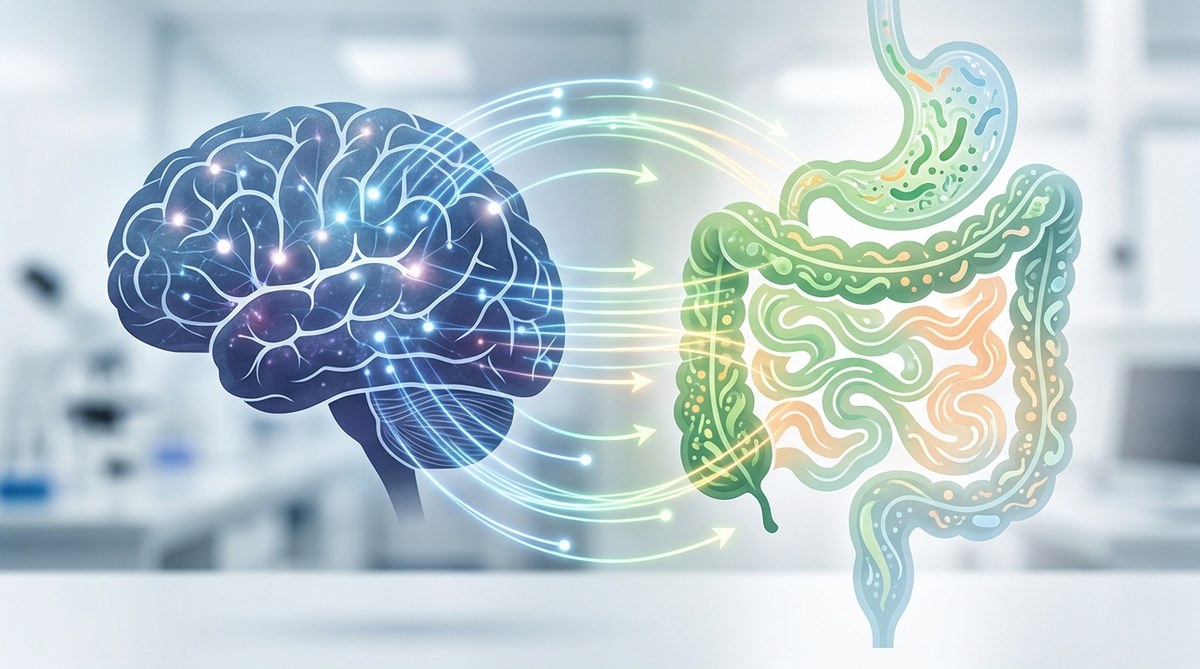
Your gut and brain are in constant conversation through the gut-brain axis. New research shows that trauma can alter your gut microbiome, which in turn can worsen PTSD symptoms like anxiety, hypervigilance, and poor sleep. By supporting your gut health with targeted diet and lifestyle changes, you may be able to reduce symptom severity and improve your overall sense of calm.
How Trauma Reshapes Your Inner Ecosystem
Think of your gut as a bustling city of trillions of bacteria, fungi, and other microbes. This is your gut microbiome. In a healthy state, this city runs smoothly. It helps digest food, supports your immune system, and even produces neurotransmitters like serotonin that regulate mood. But when you experience trauma, your body’s stress response goes into overdrive. This chronic state of high alert does not just affect your brain. It changes the environment in your gut.
Studies have found that people with PTSD often have a different balance of gut bacteria compared to those without trauma. Some beneficial species are less abundant, while potentially harmful bacteria thrive. This imbalance, called dysbiosis, can lead to inflammation throughout the body. And since the brain is sensitive to inflammation, this can fuel the cycle of PTSD symptoms.
The connection is so strong that researchers are now looking at the PTSD gut microbiome link as a potential target for treatment. It is not just about digestion anymore. It is about healing your whole system.
The Gut-Brain Axis: A Two-Way Street
The communication highway between your gut and your brain is called the gut-brain axis. It involves the vagus nerve, the immune system, and chemical messengers. When your gut is inflamed or out of balance, it sends distress signals up to your brain. This can trigger or amplify feelings of fear, anxiety, and depression.
Conversely, when you are stressed, your brain sends signals that can slow digestion and alter the gut environment. This creates a feedback loop. Stress hurts your gut, and a struggling gut makes stress worse.
For someone with PTSD, this loop can feel impossible to break. But here is the hopeful part: you can influence this system. By changing what you eat and how you care for your body, you can send calming signals from your gut to your brain. This is not a replacement for therapy or medication. It is a powerful addition to your recovery toolkit.
Practical Steps to Support Your Gut and Calm Your Mind
If you are ready to take action, start with small, manageable changes. Here is a numbered list of steps you can try this week.
- Add more fiber to your meals. Fiber is the preferred food for healthy gut bacteria. Think oats, beans, lentils, apples, and leafy greens. Aim for a variety of plant foods to feed a diverse range of microbes.
- Include fermented foods. Foods like plain yogurt, kefir, sauerkraut, and kimchi contain live beneficial bacteria. Start with a small serving a few times a week.
- Reduce ultra-processed foods and added sugars. These can feed less helpful bacteria and promote inflammation. You do not need to be perfect, but cutting back can make a big difference.
- Prioritize sleep and stress management. Your gut microbiome has its own daily rhythm. Poor sleep can disrupt it. Even five minutes of deep breathing or a short walk can help lower stress hormones that harm gut health.
- Stay hydrated. Water supports the gut lining and helps digestion. It is a simple step that supports the entire system.
Foods That Fight Inflammation and Support Healing
Some foods are especially helpful for reducing inflammation and supporting a healthy microbiome. Here is a bulleted list of gut-friendly options to add to your grocery list.
- Leafy greens like spinach and kale
- Fatty fish such as salmon and sardines
- Berries like blueberries and strawberries
- Nuts and seeds, especially walnuts and flaxseeds
- Turmeric and ginger
- Green tea
These foods are rich in polyphenols and omega-3 fatty acids, which are known to support both gut health and brain function. For more ideas on how nutrition plays a role in your recovery, check out our guide on can your diet help heal trauma.
Common Mistakes to Avoid on Your Gut Healing Journey
It is easy to get overwhelmed or try too much at once. The table below outlines some common mistakes and what to do instead.
| Common Mistake | Why It Can Backfire | A Better Approach |
|---|---|---|
| Starting too many supplements at once | Your gut needs time to adjust. Adding too many new things can cause bloating or discomfort. | Introduce one new food or supplement per week. |
| Cutting out entire food groups | Restrictive diets can reduce bacterial diversity, which is the opposite of what you want. | Focus on adding healthy foods rather than eliminating. |
| Ignoring stress and sleep | Diet alone cannot fix a microbiome if you are chronically stressed. | Pair dietary changes with stress reduction practices. |
| Expecting instant results | The gut microbiome takes time to shift. Changes can take weeks or months. | Be patient. Track your mood and energy levels over time. |
What the 2026 Research Says
Recent studies have strengthened the evidence for the PTSD gut microbiome link. A 2026 systematic review found that individuals with PTSD consistently showed differences in gut bacteria compared to trauma-exposed controls who did not develop PTSD. Some studies have even used Mendelian randomization to suggest a causal relationship. That means the gut bacteria may not just be correlated with PTSD, but could actually play a role in causing or worsening symptoms.
One study from Harvard and Brigham and Women’s Hospital found that participants who followed a Mediterranean diet experienced a decrease in PTSD symptoms. This diet is rich in fiber, healthy fats, and anti-inflammatory foods. The researchers believe the gut microbiome is a key player in this effect.
Another area of research involves animal models. Rodent studies show that transferring gut bacteria from stressed animals to calm ones can induce anxiety-like behaviors. This provides strong evidence that the gut microbiome directly influences stress responses.
“The gut microbiome is emerging as a critical mediator of the stress response. By targeting the microbiome, we may be able to offer a new avenue for relief for individuals with PTSD.” – Dr. Karestan Koenen, Harvard T.H. Chan School of Public Health
Building Your Personalized Gut Healing Plan
No two people have the exact same gut microbiome. Your unique makeup is influenced by your genetics, your history, and your environment. That is why a personalized approach is so important. Here are a few guidelines to help you build a plan that works for you.
| Approach | Best For | Example |
|---|---|---|
| Increase prebiotic fiber | Most people, especially those with a low-fiber diet | Add a daily serving of oatmeal or a handful of almonds |
| Add fermented foods | People who tolerate dairy or brine well | Have a small bowl of plain yogurt with breakfast |
| Try a probiotic supplement | Those who want a targeted boost (consult your doctor first) | Choose a reputable brand with multiple strains |
| Adopt a Mediterranean diet | Long-term overall health and inflammation reduction | Base meals around vegetables, whole grains, and olive oil |
If you are unsure where to start, focus on one change at a time. You might begin by adding a serving of vegetables to dinner each night. Once that feels normal, try adding a fermented food. For more on building healthy habits, read our article on how to create a trauma-informed self-care routine that actually works.
How to Track Your Progress
It can be helpful to notice how your body responds to these changes. You do not need a lab test. Simple observation works. Here are a few things to pay attention to.
- Your energy levels throughout the day
- How you feel after meals
- Your sleep quality
- Your bowel regularity
- Your overall mood and anxiety levels
Keep a simple journal. Just a few lines each day can help you see patterns. You might notice that on days you eat a lot of sugar, your anxiety feels higher. Or that a week of good sleep and vegetables leaves you feeling more grounded.
When to Seek Professional Support
While diet and lifestyle changes are powerful, they are not a substitute for professional mental health care. If you are struggling with severe PTSD symptoms, please reach out to a therapist who specializes in trauma. Gut health is one piece of the puzzle. Therapy, medication, and a strong support system are also essential.
You can learn more about evidence-based therapy approaches for PTSD recovery and how they complement holistic strategies. And if you are a caregiver, our guide on how to support a loved one with PTSD without overwhelming yourself may offer helpful insights.
Your Next Step Toward Healing
The science is clear: your gut health and your PTSD symptoms are connected. This is not about fixing yourself overnight. It is about giving your body the tools it needs to find balance. Start with one meal. Choose one gut-friendly food and add it to your plate. Take a deep breath. Go for a short walk. These small actions send a signal to your entire system that you are safe and that healing is possible.
You do not have to do it all at once. Healing from trauma is a journey, and every small step counts. Your gut is on your side. Give it the support it needs, and it can help calm your mind in return.